

Overcoming Trauma and Obesity: Your Path to Healing
Imagine a life where the weight of emotional and physical burdens no longer holds you back. A life where healing is not just a possibility, but a reality. This is a story of pain, struggle, and ultimately, triumph. It’s about overcoming trauma and obesity and breaking free from the chains of the past to reclaim your health and happiness.
Journey of Transformation & Treatment for Obesity
In this post, we’ll explore the link between trauma and obesity, and how you can start your journey of transformation. We’ll dive into real stories of people who have overcome incredible odds, and I’ll share with you the strategies that have helped me and countless others heal from the inside out. Are you ready to take the first step?

Table of Contents
- The Link Between Childhood Trauma and Obesity
- Obesity as a Defense Mechanism
- How Trauma Affects the Body and Leads to Weight Gain
- The Role of Insulin Resistance
- Impact on Brain Function and Mental Health
- Real Stories: Overcoming Trauma and Achieving Health Goals
- Inspiring Transformations
- The Power of Coaching and Support
- Strategies for Healing Trauma and Adopting a Healthier Lifestyle
- Addressing Emotional Eating
- Building Resilience
- Engaging in Self-Care
- Finding Supportive Connections
- The Importance of Professional Help in Overcoming Trauma and Obesity
- The Role of Therapy
- Benefits of Trauma-Focused Treatments
- When to Seek Help
- Conclusion
The Link Between Childhood Trauma and Obesity
We have seen it time and time again with our clients – the deep, often hidden connection between childhood trauma and adult obesity. It’s a link that’s often overlooked, but one that can have profound impacts on a person’s physical and mental health.
Studies have consistently shown that adverse childhood experiences (ACEs), such as abuse, neglect, or household dysfunction, can significantly increase the risk of developing obesity later in life. In fact, adults who experienced four or more ACEs are 37% more likely to be obese compared to those with no ACEs.
Obesity as a Defense Mechanism
Too often, survivors of childhood sexual abuse make subsequent connections between their trauma and their eating habits, leading to a complex relationship with food that can result in obesity and other health challenges.
Food can become a source of comfort and coping for those who have experienced trauma. Emotional eating, binge eating, and other disordered eating patterns are common among trauma survivors, as they seek to numb or distract from painful memories and emotions.
How Trauma Affects the Body and Leads to Weight Gain
Beyond the psychological impacts, childhood trauma can also have profound effects on the body’s physiology, setting the stage for weight gain and obesity. When a child experiences chronic stress or trauma, their body’s stress response system can become dysregulated, leading to elevated levels of stress hormones like cortisol.

The Role of Insulin Resistance
Over time, this chronic stress can contribute to insulin resistance, making it harder for the body to regulate blood sugar and increasing the risk of weight gain and type 2 diabetes. Trauma can also lead to inflammation in the body, which has been linked to obesity and other chronic health conditions.
Impact on Brain Function and Mental Health
Childhood trauma can also alter brain development and function, particularly in areas related to emotional regulation, impulse control, and reward processing. These changes can make individuals more susceptible to using food as a coping mechanism or self-soothing tool.
Additionally, trauma is often associated with mental health issues like depression and anxiety, which can further contribute to disordered eating patterns and weight gain. It’s a complex web of factors that can be challenging to untangle, but understanding the role of trauma is crucial for effective treatment and support.
Real Stories: Overcoming Trauma and Achieving Health Goals
Despite the challenges, I’ve seen countless clients overcome the impact of childhood trauma and achieve incredible transformations – not just in their weight, but in their overall health and well-being. With the right support and resources, healing is possible.
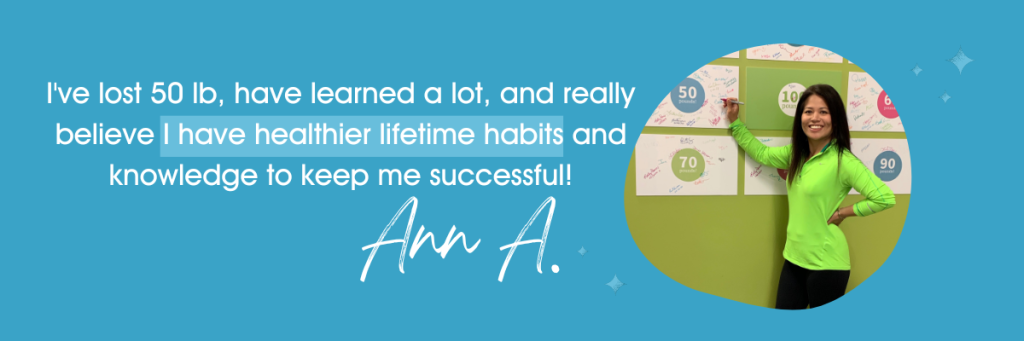
Inspiring Transformations
One client, Sarah, stands out in my mind. She came to our clinic struggling with obesity and a host of related health issues, but as we delved deeper, it became clear that childhood sexual abuse was at the root of her challenges. Through a combination of therapy, nutrition counseling, and personal training, Sarah was able to process her trauma, develop healthier coping mechanisms, and ultimately lose over 100 pounds.
Another client, Mark, had a similar story. He’d experienced severe neglect and emotional abuse as a child, and had turned to food as a source of comfort and control. But through our work together, he was able to break free from those patterns and develop a healthier relationship with food and his body. He lost weight, yes, but more importantly, he gained a sense of empowerment and self-worth that had been missing for so long.
The Power of Coaching and Support
These transformations didn’t happen overnight, and they didn’t happen in isolation. Overcoming trauma and achieving lasting weight loss requires a holistic approach and a strong support system. That’s where coaching and community can be so powerful.
Having someone in your corner who understands the complexities of trauma and obesity, and who can provide guidance, accountability, and encouragement, can make all the difference. And connecting with others who have faced similar challenges can provide a sense of validation and inspiration that’s hard to find elsewhere.
Key Takeaway:
Childhood trauma can lead to obesity as a defense mechanism and coping tool. Understanding this link is key for effective treatment and support.

Strategies for Healing Trauma and Adopting a Healthier Lifestyle
When it comes to overcoming trauma and obesity, developing strategies for healing and adopting healthier habits is crucial. We have seen firsthand the challenges and triumphs that come with making lasting changes.
It’s not just about losing weight or getting fit; it’s about addressing the root causes of our struggles and finding ways to nourish our minds, bodies, and souls. Let’s explore some key strategies that have made a difference in my own life and the lives of countless others.
Addressing Emotional Eating
One of the biggest contributing factors to obesity is emotional eating. We turn to food for comfort, stress relief, or to numb difficult emotions. I remember countless nights spent binging on sugary drinks and junk food, trying to fill a void that only grew deeper.
Breaking free from emotional eating starts with awareness. Pay attention to your triggers and find alternative coping mechanisms, like calling a friend, taking a walk, or practicing deep breathing. Working with a therapist can also help you unpack the underlying emotions and develop healthier ways of dealing with them.
Building Resilience
Resilience is the ability to bounce back from adversity and keep moving forward. When you’re healing from trauma and working on your health, setbacks are inevitable. What matters is how you respond to them.
Building resilience involves practicing self-compassion, cultivating a growth mindset, and celebrating small victories along the way. It’s about learning to reframe challenges as opportunities for growth and trusting in your own strength and resourcefulness.
Engaging in Self-Care
Healing starts with self-care, and that means honoring your well-being as a priority. Self-care goes beyond just the physical. It’s also about setting boundaries, saying no when you need to, and making time for activities that bring you joy and relaxation. It’s about treating yourself with kindness and respect, even on the tough days.
Finding Supportive Connections
Healing and growth don’t happen in isolation. We all need supportive connections to thrive. Surround yourself with people who lift you up, encourage your goals, and provide a safe space to be vulnerable.
Consider joining a support group or connecting with others who have faced similar challenges. Sharing your experiences and learning from others can be incredibly validating and empowering. Remember, you don’t have to go through this alone.
“Healing is not an overnight process; it is a daily cleansing of pain, it is a daily healing of your life.” – Leon Brown
The Importance of Professional Help in Overcoming Trauma and Obesity
While there are many things we can do on our own to heal from trauma and adopt healthier habits, sometimes professional help is necessary. As someone who has been through therapy and worked with various health professionals, I can attest to the transformative power of seeking expert guidance and support.
Whether you’re struggling with mental illness, grappling with the aftermath of sexual abuse or verbal abuse, or feeling overwhelmed by stress and emotional eating, know that you don’t have to face these challenges alone. Professional help is available, and it can make all the difference in your healing journey.
The Role of Therapy
Therapy provides a safe, non-judgmental space to process trauma, explore emotions, and develop coping strategies. A skilled therapist can help you identify patterns of thought and behavior that may be holding you back and work with you to develop healthier ways of relating to yourself and others.
There are many different types of therapy, from cognitive-behavioral therapy (CBT) to eye movement desensitization and reprocessing (EMDR). The key is finding a therapist and approach that resonates with you and your unique needs.
Benefits of Trauma-Focused Treatments
For those who have experienced trauma, specialized treatments like trauma-focused cognitive-behavioral therapy (TF-CBT) can be particularly effective. These approaches help individuals process traumatic memories, develop coping skills, and build resilience.
Research has shown that trauma-focused treatments can lead to significant reductions in symptoms of PTSD, depression, and anxiety. They can also help individuals develop a more positive sense of self and improve their overall quality of life.
When to Seek Help
It’s not always easy to know when it’s time to seek professional help. Some signs that it may be time to reach out include:
- Feeling overwhelmed or stuck in unhealthy patterns
- Struggling with persistent symptoms of depression, anxiety, or PTSD
- Using food, substances, or other unhealthy coping mechanisms to numb or avoid difficult emotions
- Experiencing difficulties in relationships or daily functioning due to past trauma or current stressors
Remember, seeking help is a sign of strength, not weakness. It takes courage to face our challenges head-on and invest in our own healing and growth. If you’re considering therapy or other professional support, know that you are worthy of care and compassion.
Trauma therapy isn’t about reliving the past, it’s about reframing it so you can heal and move forward. It’s hard work, but so worth it. This process helps individuals confront their experiences in a controlled environment, empowering them to rebuild stronger foundations for their future mental health.
— Dr. Nicole LePera (@the.holistic.psychologist) April 20, 2021
Key Takeaway:
Overcoming trauma and obesity involves addressing emotional eating, building resilience, practicing self-care, and finding supportive connections. Therapy can help you process emotions and develop coping strategies. Seeking professional help is a sign of strength that empowers your healing journey.
Conclusion
Overcoming trauma and obesity is a journey, but it’s one worth taking. By addressing the root causes of your pain and adopting a holistic approach to healing, you can transform your life from the inside out. It’s not about quick fixes or fad diets; it’s about building resilience, practicing self-care, and surrounding yourself with support.
Remember, you are not alone in this journey. There are countless others who have walked this path before you and have emerged stronger, healthier, and happier. With the right tools, mindset, and support, you too can overcome trauma and obesity and reclaim your life.
The path to healing starts with a single step. Take that step today, and know that a brighter future awaits you. You have the power within you to transform your life and become the best version of yourself. Believe in yourself, trust the process, and never give up on your dreams. Your journey to overcoming trauma and obesity starts now.


